
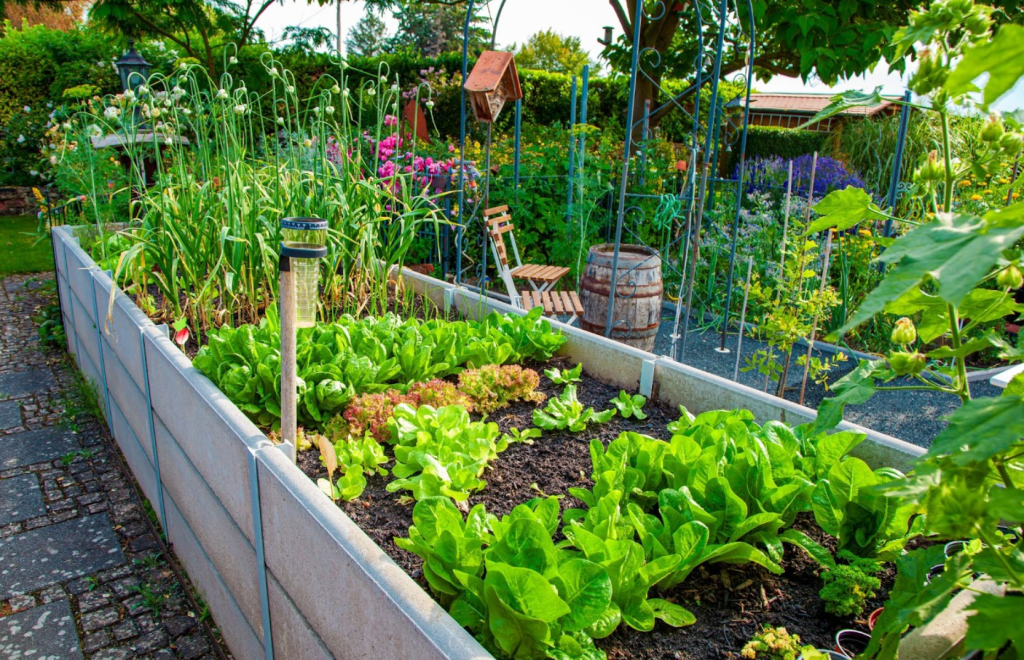
So, you want to create a community garden in your neighborhood, but don’t know where to start. Well, you’ve come to the right blog! Whether you’re hoping to create new green space, increase food access in a food apartheid, or simply bring your community together, starting a community garden is a valuable endeavor. However, you need guidance to ensure a smooth process and get your garden running as soon as possible. Here’s how to make it happen in Philadelphia.

Identify Your Mission
Before breaking ground, clarify why you want to start a community garden. Is your motivation to provide fresh produce to residents? Or to create a space for environmental education? Defining your mission will guide your decisions, from design choices to fundraising efforts. Plus, the more precise your purpose, the easier it is to attract support from neighbors and potential partners. For inspiration from an established garden, Sanctuary Farm’s mission is to convert abandoned and neglected areas in North Philly into spaces that promote safety, hospitality, nutrition, and growth. Leading with their mission has led Sanctuary Farm to become a community pillar and exemplifies the importance of being confident in your purpose. Check out my interview with the head of Sanctuary, Andrea Vettori, to learn how she grew her mission into a thriving community space.
Find a Location
Philadelphia has plenty of vacant lots that could become beautiful gardens, but you’ll need to determine ownership before moving forward. Use the Philadelphia Housing Development Corporation’s (PHDC) property map to check if a public agency owns the lot. If it’s not listed, visit atlas.phila.gov and use the Property Search function to find the owner.
For privately owned lots, you may need to contact the owner to negotiate a lease or obtain permission to use the space. Publicly Owned Lots are typically not for sale, but PHDC may allow temporary gardening agreements. Email land@phdc.phila.gov to inquire about permissions.
Legally, community gardens must obtain insurance before opening. Furthermore, some locations may require permits, so check local county laws to ensure compliance; you don’t want to run into any legal issues!
Design Your Garden & Budget
Now that you’ve secured land, it is time to design your garden. Consider: will the garden have separate plots, community areas, or both? Where should paths, fences, compost bins, sheds, and watering stations be positioned? Do you want park-type features such as picnic tables, benches, or party areas–and if so, where would be the best place? Pastorius Community Garden is an excellent example of a well-planned garden. When designing the garden, Vita Litvak wanted it to be a vibrant community hub for connection. Therefore, she budgeted for picnic tables and a stage for performances. Ensuring your garden’s design matches your mission is paramount to ensuring your vision plays out correctly. Lastly, list materials needed for a ballpark figure and budget, including soil, seed, water supply, tools, and fencing.
Raise Funds
Starting a garden requires start-up costs, but with many fundraising opportunities, start-up costs should not be a deterrent. Fundraising can take many forms. First, you should look into local and national grants for community gardens. The Garden Club of America offers Fertilizer Fund grants for small Philadelphia neighborhood projects. Another great strategy is crowdfunding through websites like GoFundMe or Kickstarter. Also, consider getting sponsorships from local businesses to donate gifts or sponsor events that fund your project. Additionally, some local gardens require a small membership fee for individual plots, which can be used to defray costs. For instance, Conshohocken Community Garden requires a $65 annual membership fee for a plot of 1-3 people. Finally, raising funds can also involve hosting plant sales, workshops, or community dinners to stimulate excitement about the garden.
Plant & Maintain the Garden
Now that you’ve raised money and the site is prepared, it’s time to plant the garden! Make sure to create a maintenance plan to keep the garden thriving. Assign watering, weeding, harvesting, composting, and general garden upkeep responsibilities. A rotating schedule ensures no one person is overwhelmed with responsibilities and helps keep the garden sustainable long-term. To ensure you stay on schedule, consider downloading the Happy Plant app. The free app lets you create a little profile for each plant and set a watering schedule.
Set Your Garden Up for Success
It’s vital to keep your garden running smoothly and build community engagement. For inspiration, check out the demonstration gardens in Fairmount Park. The gardens are open 24/7 and open to the public at no cost. Consider integrating sustainable practices by setting up composting areas, collecting rainwater, and using native plants to conserve resources. You can also create a page for your garden on social media platforms to increase visibility and generate traffic. More great strategies are hosting community events, garden workdays, and educational workshops to keep neighbors engaged and foster connections.
Creating a community garden in Philadelphia is no easy feat, but the rewards—fresh produce, a renewed sense of community, and a greener city—are well worth the effort. With strategic planning, diligence, and tenacity, your neighborhood can enjoy these benefits for years. Lastly, follow my blog, Edible Autonomy, for more gardening tips, inspiration, and resources to support your community gardening journey!

 Edible Autonomy
Leave a comment