

How much do you think about what happens to your trash? Living in a society with trash pickup means most of us don’t need to think deeply about this, and once we throw something away, it’s out of our minds. However, there are several reasons why you should reconsider where your food waste ends up.

As I mentioned in my previous post, “Why Food Sovereignty Matters in Philadelphia,” food discrepancies are a pressing issue in Philadelphia. With 63% of Philadelphians living in food apartheid and chronic health conditions, it’s more important than ever that people have access to healthy food. About one-third of all food produced in America goes uneaten; that’s about 133 billion pounds of edible, safe food ending up in landfills or down the drain to the sewer. Can you imagine the impact that food could have had on struggling communities? The implications of these pounds of discarded food have far-reaching consequences and even affect our environment.
Landfills are where items go to die, but they are also the third-largest source of greenhouse gas emissions. When food is left in a landfill, it emits methane, a potent greenhouse gas that traps heat in the atmosphere. As a result, methane plays the greatest role in climate change and contributes to global warming at an alarming rate. Furthermore, it affects air quality, increases animal health issues, and reduces crop yields.
Abundant food waste affects us all, whether through toxic gases or neighborhood food inequities. Prevention can achieve the most significant benefits, so first, I will explain the best ways to avoid buying excess food, which can save you money. Next, we’ll explore easy avenues for discarding leftover food so it doesn’t end up in landfills and can be used for a great cause.
Make Meal Planning a Must
Before even walking into a grocery store, aim to create a meal plan for your food that includes the groceries you need according to the number of people you’ll serve. Creating a meal plan gives you a pre-thought-out plan to stay on task and prevent buying extra things. If planned correctly, this will save you money and have zero excess leftovers in landfills. If you don’t know where to start, Pinterest is a fantastic resource to find pre-made meal plans for inspiration. You can also use a meal-planning site built to make meal planning easier. Ultimate Meal Plans offers a vast selection of delicious recipes for every dietary need and allows you to customize your meal to fit your family’s size and preferences. Meal planning can initially seem daunting, but with these resources, you’ll get the hang of it in time!
Store Your Food Properly
Now that you’ve bought food, it’s vital to store it properly so you can consume it and prevent throwing it away. Read up on the best way to store the food you bought. Produce can vary drastically in how best to store, so use this fact sheet to help you stay informed. Another tip is to become more methodological with your food storage. When you purchase new things, practice the “first in, first out” technique and stick them behind the older food to ensure you use items before they expire. Ensuring your food is stored correctly is a key step in preventing food waste and ensuring you enjoy the food you buy.
Give Leftovers a New Life
Even with the best planning and storage, leftovers are inevitable—but that doesn’t mean they must go to waste. Instead of tossing out extra food, try giving it a new life in creative and sustainable ways.
Got carrot tops? Blend them into a vibrant pesto or chimichurri sauce. Not a fan of broccoli stems? They make an excellent base for soups or stir-fries. Thinking about that last piece of salmon? Repurpose it into a fresh salad, a hearty sandwich, or a protein-packed grain bowl. When you start thinking of leftovers as ingredients rather than scraps, the possibilities expand.
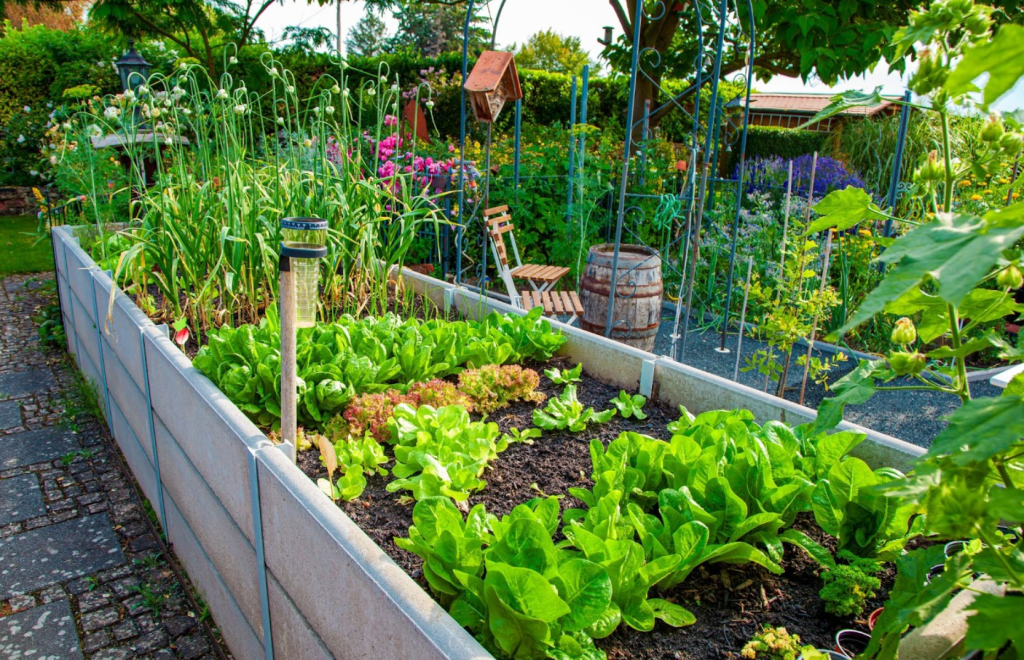
But even with the best intentions, some food waste is unavoidable. That’s where composting comes in. By breaking down food scraps into nutrient-rich compost, you can return valuable organic matter to the soil instead of sending it to a landfill. The basics are simple: compost needs a balance of greens (like fruit and veggie scraps, coffee grounds, and grass clippings), browns (such as leaves, twigs, and straw), water, and air. Once finished, compost can be used to improve soil health, making it a great way to close the loop in your food cycle.
For an easy and odor-free composting option, Mill offers a sleek kitchen bin that dehydrates and grinds food waste into a fine, odorless powder. At just $20 a month, it’s a convenient way to manage food scraps without the mess. If you prefer a hands-off approach, local compost pickup services are another great option.
If you have extra food that’s still perfectly good but will not be eaten in time, consider donating it. Organizations like South Philly Community Fridge accept donations of fresh produce, non-perishable items, and homemade meals. By sharing excess food with those in need, you’re helping fight food insecurity and reducing waste.
Takeaways
By rethinking how we use and discard food, we can each create a more sustainable and equitable food system—one meal (or leftover) at a time. Though learning how best to prevent all food waste can take time, bettering the environment and your fellow neighborhoods is a worthy reason to know. If you want to know more ways to better our world, follow my blog, “Edible Autonomy,” and join me on my journey to make food sovereignty accessible to everyone!

 Edible Autonomy
Leave a comment