
So you want to start your gardening journey, but are frustrated because you don’t know where to start. Don’t rip out your hair yet; I’m here to help! When starting something new, it’s common to have growing pains and struggle a bit. There’s no shame in getting extra help, so let’s look at a few beginner gardening roadblocks and how to fix them.

I don’t know where to start
It’s good to learn some basic information about gardening and your crops, but if you convince yourself that you need to know everything there is to know, you’ll never be satisfied. Some essential things for beginner gardeners to know are how much sun their gardening space gets in a day and what can grow in that much sun. Beginners should also know that using high-quality potting compost or potting mix is crucial because starting with poor compost means your plants can’t thrive.
Master Gardener Andromeda Jackson recommends starting small. She suggests beginning with tomato plants because they are resilient and tend to grow quickly in most conditions. Starting with easy plants is a great way to build confidence and experience. To prevent injury to the plant and improve soil health, consider covering the soil around tomato plants with large sections of primarily unprinted, corrugated brown cardboard. This suppresses weed growth, preserves soil moisture, and simplifies cleanup. At the end of the season, simply roll up the cardboard with any plant debris and dispose of it.
If you’re interested in hands-on learning, check out the Master Gardener demonstration garden in Fairmount Park behind the greenhouse. Another great resource is the Seed to Supper Program, which offers gardening classes. Each course includes six to eight weekly sessions covering vegetable gardening fundamentals such as soil preparation, garden planning, planting, maintenance, and harvesting. Classes are taught both indoors and outdoors and include hands-on activities. The best part is that course books and supplies are free to all qualifying participants.
It’s too expensive
Gardening doesn’t have to be expensive; in many cases, it can be nearly free if you get creative with resources. Many local libraries, such as the Free Library of Philadelphia, have seed banks where you can pick up free seeds. Some plants can also be regrown from scraps. Carrot tops will eventually produce seeds when planted in the dirt and left to flower. Cabbage can regrow if you place the inner core in dirt and keep it moist, and as a bonus, it will produce pretty flowers. Beans are both a crop and a seed, making them an excellent investment for beginners. Stores like Dollar Tree often carry budget-friendly seeds, so you don’t have to break the bank to get started.
I don’t have enough space
You can grow just about any plant in a container to a certain extent. Thinking about what you enjoy eating and choosing a few plants to experiment with is a great way to start. You can grow plants from seeds, which offer more variety and are cheaper, or you can purchase small nursery plants to establish your garden sooner.
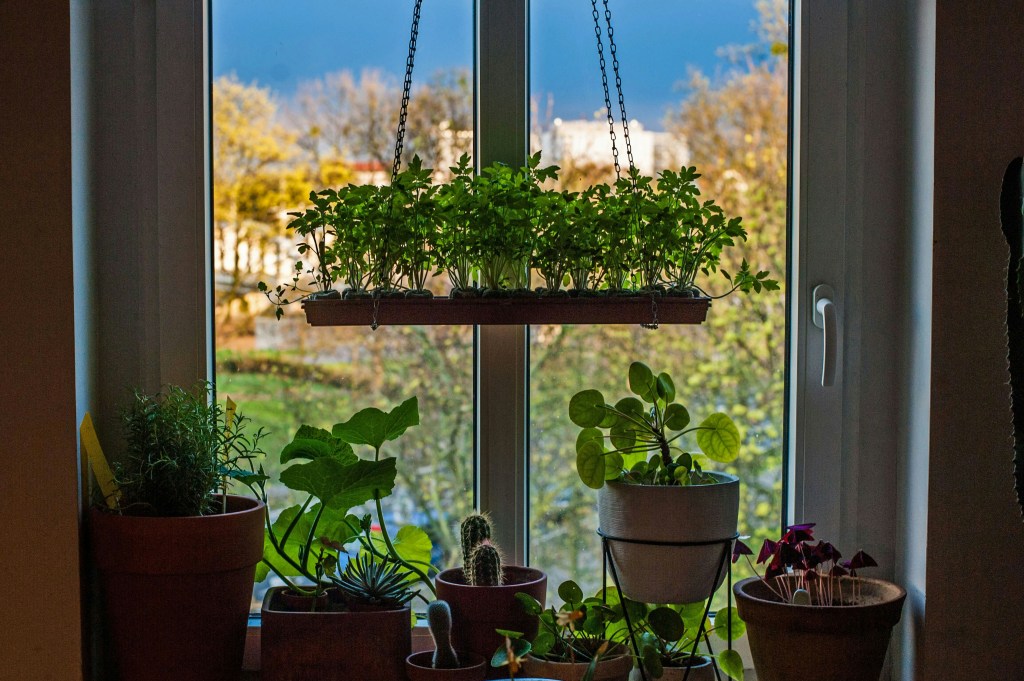
Countertop hydroponic gardens are a great option if you’re short on outdoor space. These systems use nutrient-rich water solutions instead of soil, making them a space-efficient and low-maintenance option for apartment dwellers. They are perfect for growing herbs, leafy greens, and indoor berries. Another option is vertical gardens, which use garden towers and wall-mounted planters to maximize growing space. These systems allow you to fit more plants in a small footprint and often come with built-in irrigation, making them easy to maintain. Simply fill the water tank, prune, and harvest.
If you’re looking for more tips on maximizing a small gardening space, check out my article on growing a thriving hydroponic garden in tight quarters.
Enjoy the Ride
In social media and Instagram, we’re all putting our best foot forward, and if you’ve got even a hint of an ego, it’s hard to show anything but your best. But here’s the truth: there’s no such thing as a perfect garden. In reality, gardening is messy, unpredictable, and full of surprises. Some plants will thrive, others will struggle, and that’s okay. The pursuit of perfection in gardening is a waste of time. Embrace the process, learn from mistakes, and enjoy watching your garden grow, imperfections and all!

 Edible Autonomy
Leave a comment