
We all grew up hearing the story of the tortoise and the hare, but did you know this philosophy can be applied to food sovereignty? Even taking small steps can contribute to fixing the bigger issue of food insecurities in Philadelphia, and working your way up to more significant feats is a wonderful goal to have. Here are simple ways you can show love for your community and dip your toe into spreading the benefits of food sovereignty to everyone around you.
Take a Walk and Strike Up a Conversation
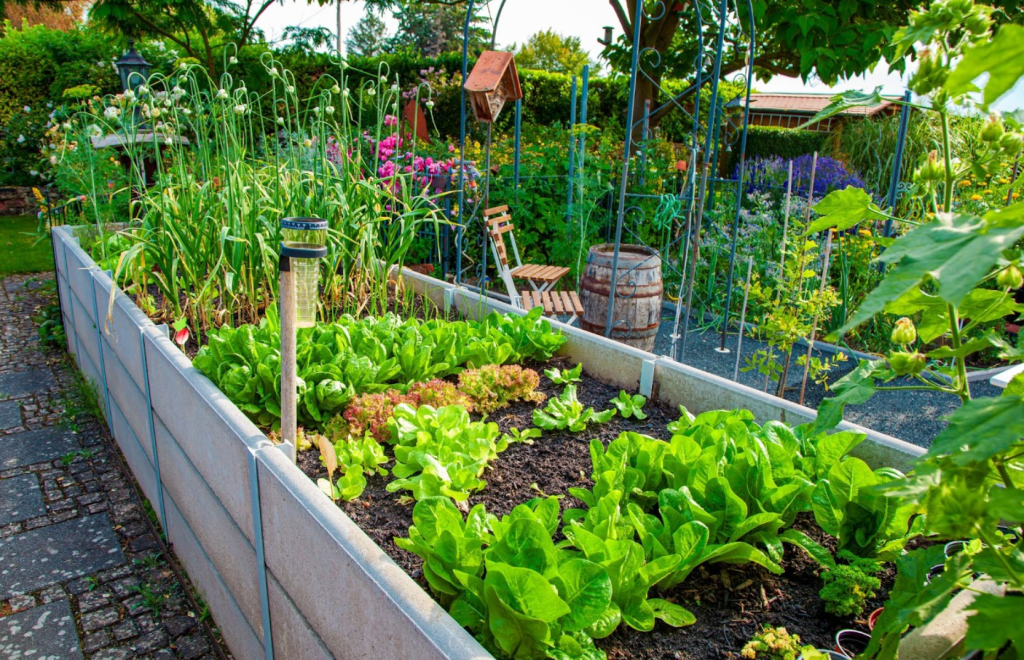
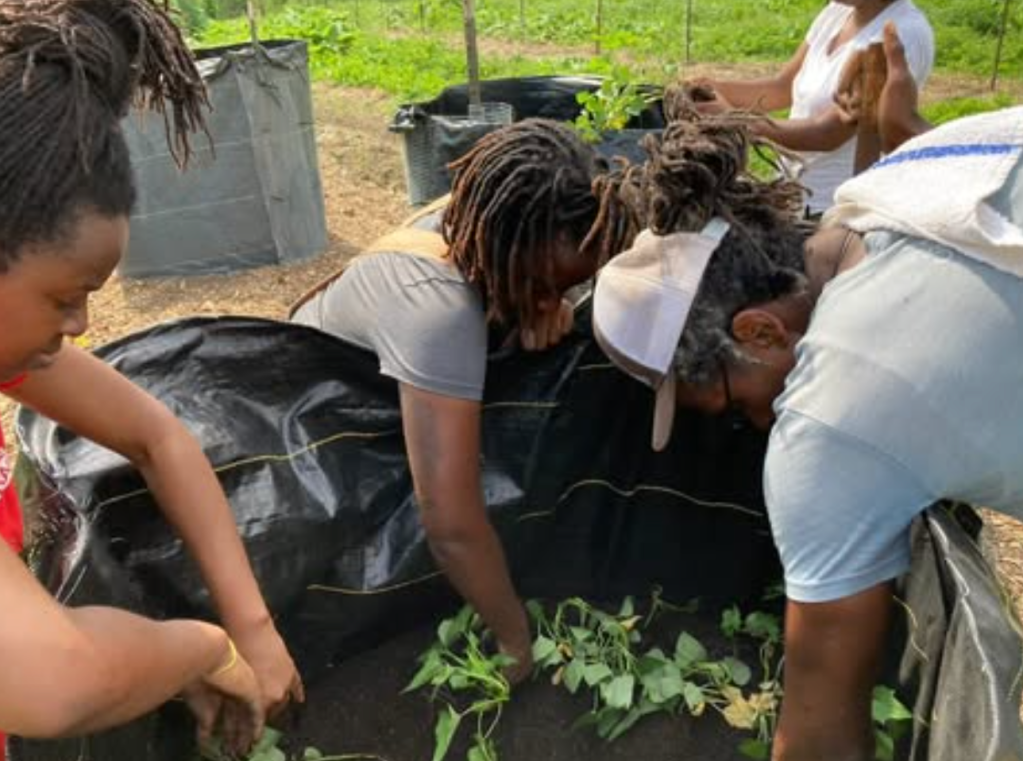
The next time you walk past a community garden, take a moment to observe it. These gardens aren’t just about growing food; they’re hubs for education, collaboration, and food justice. Community gardens thrive when people engage with them, whether by volunteering, donating supplies, or simply spreading the word about their impact.
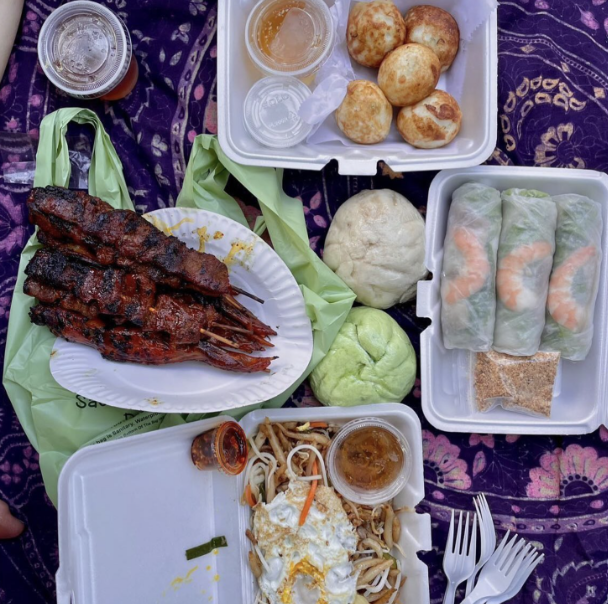
Asian Market. Provided by Myself
Support Local Food Businesses and Farmers’ Markets
If you have a local produce store, farmers’ market, or health-focused business nearby, make an effort to shop there. By supporting these businesses, you can put money back into the community where it belongs. Also, it supports small-scale farmers who use sustainable and ethical agricultural methods. Even if you can’t buy everything locally, prioritizing a few staple items—like eggs, bread, or seasonal produce—makes a big difference. Plus, shopping locally often means fresher food and less gas emissions from driving. My favorite market is the annual Southeast Asian Food Market in FDR Park. It’s open every weekend starting in April and is a great opportunity to support local farmers and try authentic Asian cuisine.
Talk to a Master Gardener
Want to learn more about growing food in an urban environment? The Master Gardener Program is an excellent resource, especially in Philadelphia, where it focuses on adapting gardening techniques for city life. Master Gardeners are trained volunteers who can provide expert advice on everything from soil health to container gardening. They hold free workshops, Q&A sessions, and hands-on demonstrations everywhere in Philadelphia. If you see one giving a lecture, don’t be afraid to approach them–they will always be happy to provide assistance or share ideas!
Learn More About Your Local Food Environment
Explore your community’s food landscape using these online food access maps and dashboards. These tools highlight disparities in food availability and can help you advocate for better policies and resources. The first step to change is understanding the problem, so take time to see what the data says about your neighborhood.
Change Your Vocabulary and Spread Awareness
The way we talk about food systems matters. Instead of saying “food deserts,” try using “food apartheid” to acknowledge that food inequity results from policy and systemic barriers—not just a natural occurrence. Have conversations with friends, family, and local store owners about food sovereignty. Ask stores if they can source from local farmers, talk to neighbors about urban gardening, and share resources about food justice. A shift in language leads to a shift in awareness, which can drive real change.
Go Forth and Prosper
Supporting food sovereignty doesn’t require radical lifestyle changes—small actions add up. Whether it’s engaging with a community garden, shopping locally, or simply educating yourself, each step helps create a more just and sustainable food system for all.

 Edible Autonomy
Leave a comment