
Spotted hyenas are brilliant pack animals driven by their relentless pursuit of food. According to a Duke University study, their problem-solving abilities rival those of chimpanzees. When presented with a food reward and two ropes, hyenas quickly realized they needed to pull them in unison to access their prize. This instinct for teamwork showcases a simple yet powerful truth: Some challenges are best tackled together.
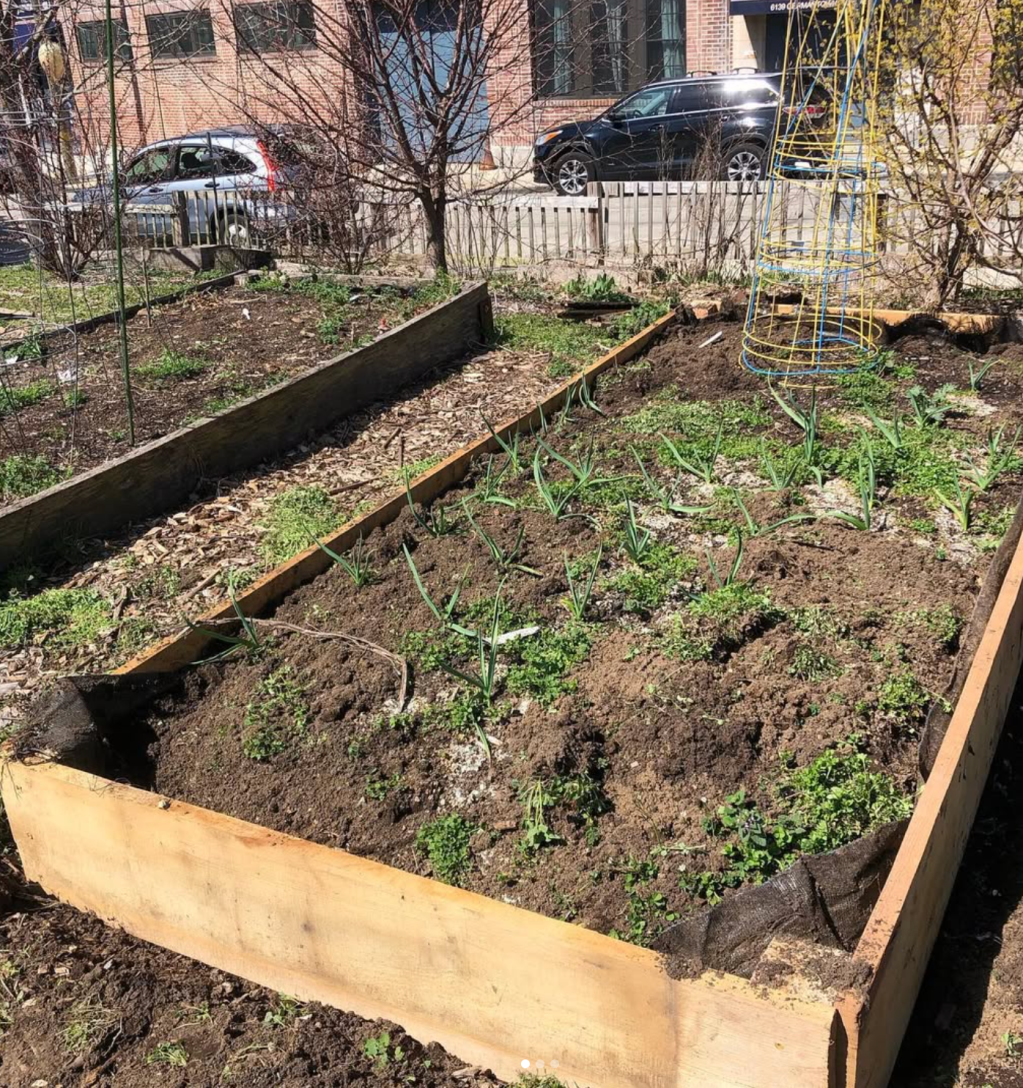
For Vita Litvak, the founder of Pastorius Community Garden, this lesson in collaboration has been a guiding force. Her journey into food sovereignty began in Moldova, where she spent her childhood tending to her family’s small plot of land. “Both of my parents grew up in small villages on the outskirts of Chișinău,” she recalls. “We had fruit trees, berries, and vegetables, and we spent much time preserving food for the winter.” However, when her family immigrated to the United States in the early 1990s, Litvak felt disconnected from this tradition. Gardening and farming no longer seemed like a part of everyday life.
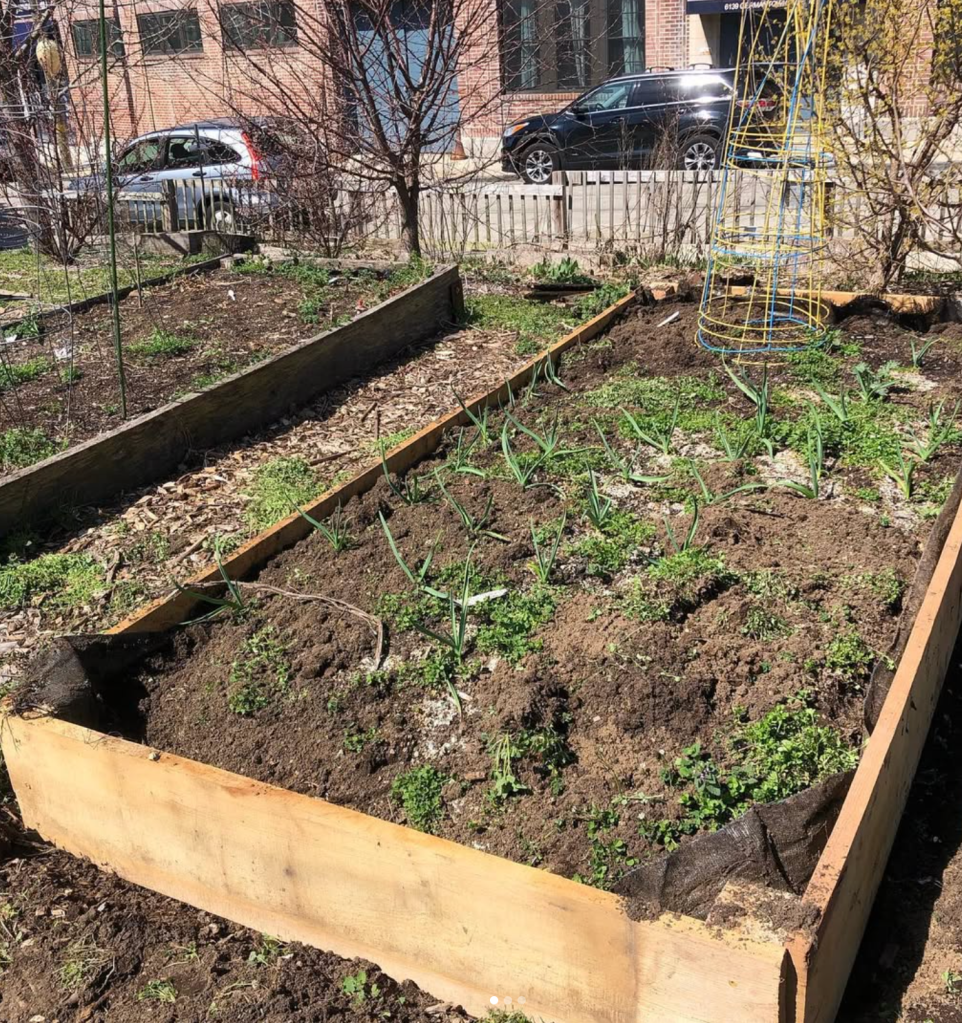
Years later, that sense of loss transformed into action. Litvak’s passion for growing food led her to dream of a communal space where neighbors could reconnect with the land. “I started talking to neighbors, going door-to-door, and asking if they would support a community garden,” she says. “At first, it was just one big bed that I built myself. But even with that, people would stop and ask, ‘What are you doing?’”
Cultivating More Than Just Crops
Ten years later, Pastorius Community Garden has become a vibrant hub of connection, creativity, and care. Litvak and her fellow gardeners have expanded their efforts to include fruit trees, free food tables, and partnerships with local organizations like the Philadelphia Orchard Project.
From the beginning, the garden was designed to be open to all. “A lot of community gardens are locked, and only members have access,” Litvak explains. “But we really believe our garden should be like a public park. People can come anytime to sit, have lunch, or explore.”
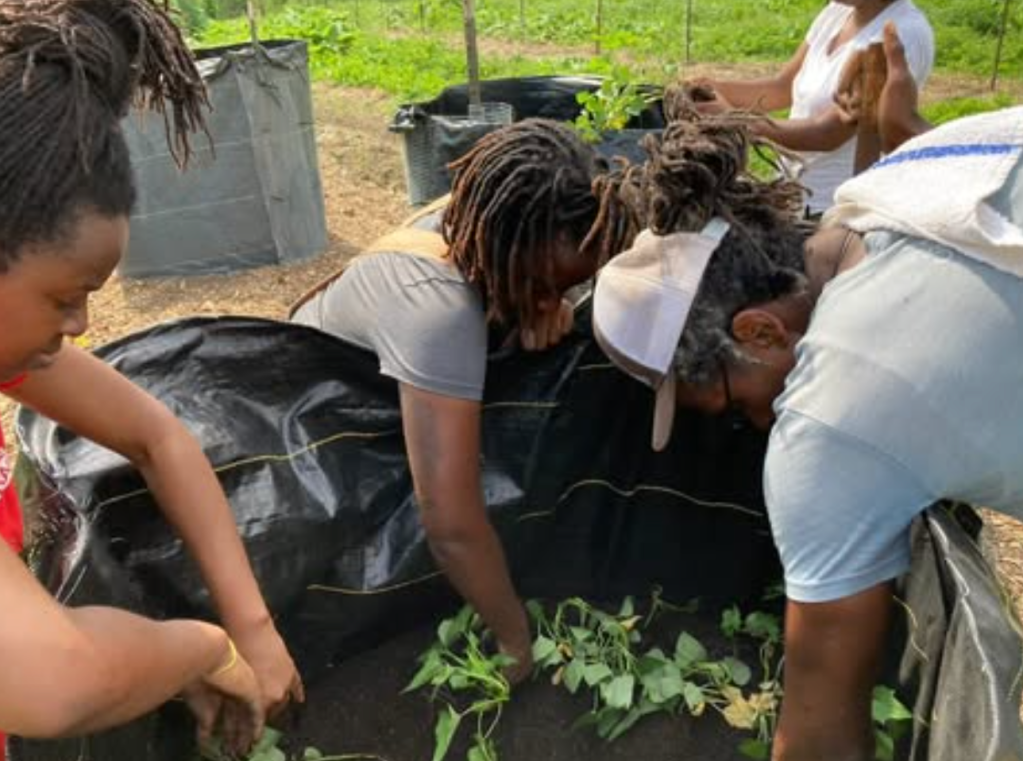
This open-door policy has made Pastorius more than just a place for food; it has transformed into a place for people. From school field trips to music performances on a stage the community built together, the garden has become a space where relationships flourish alongside the plants. “Ms. Caroline, one of our longtime members, calls us her garden family,” Litvak says. “After she had a stroke, neighbors would bring her vegetables from her garden bed so she could still participate. That’s the kind of community we’ve built.”
The Challenges and Rewards of Collective Action
Like any shared project, Pastorius Community Garden has faced its challenges. Volunteer numbers fluctuate, leadership transitions can be tricky, and maintaining the space requires ongoing effort. “The hardest part is capacity—having enough hands to plant, water, and harvest,” Litvak admits. “Even with 25 dedicated gardeners, keeping everything going through the summer is difficult.”
But time and again, Litvak has witnessed the power of teamwork. One moment that stands out is when the community came together to move a heavy stage they had built in the garden. “We got about 20 people to lift it simultaneously,” she recalls. “And suddenly, it felt light as a feather. That moment symbolized what’s possible when people work together.”
Why College Students Should Get Involved
For Litvak, food sovereignty is about preserving knowledge, fostering relationships, and reconnecting with nature. “We cannot lose our connection to growing food,” she says. “It’s an essential part of our humanity. Kids naturally love getting their hands in the soil, planting seeds, and watching things grow. We have to nurture that instinct.”
She encourages college students to participate in food sovereignty movements, whether volunteering, starting their initiatives, or simply learning about sustainable agriculture. “There are so many ways to contribute,” she says. “Even if you don’t have time to garden, supporting policies that promote local food systems, educating others, and advocating for land access are all crucial. When we work together, we can truly move mountains.”

 Edible Autonomy
Leave a comment