
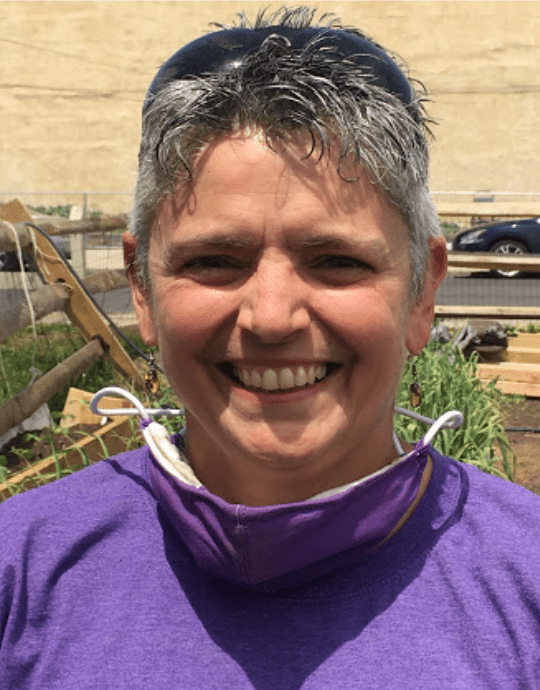
An old proverb goes, “If you give a man a fish, you feed him for a day, but if you teach a man to fish, you feed him for a lifetime.” This sentiment is Andrea Vettori’s driving force behind founding her non-profit organization, Sanctuary Farm. Recently, I sat down with her to get insight into her work with food sovereignty and why college students should get involved in the cause.
The Value of Community

We started our conversation by discussing the inspiration behind creating Sanctuary Farm. As a seasoned Nurse practitioner for more than 25 years, Vettori is no stranger to helping vulnerable communities. However, in 2017, she expanded her passion and expertise to ensure North Philadelphians could access fresh, nutritional food. Thus, Sanctuary Farm was born— an organization dedicated to transforming neglected and abandoned spaces into refuges for feeding the mind and soul.
“It’s not enough just to give out food,” Vettori emphasized. “We want to educate folks so they know the value of healthy eating.” She believes communities should address food sovereignty holistically and aims to empower individuals with the knowledge and skills to sustain a healthy lifestyle.
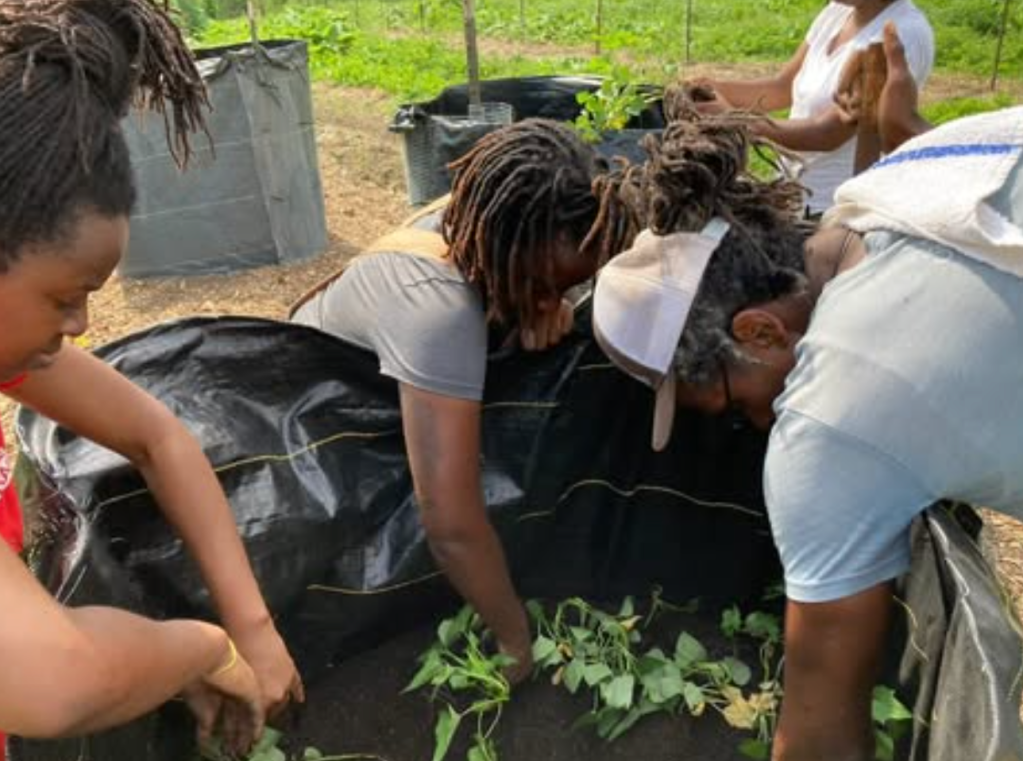
The non-profit accomplishes this by performing cooking demos at its food stand, blood pressure screenings, gardening classes, and many other free programs available to the public. Andrea says the program’s success is underscored by the testimonies of participants who share their gratitude, “We had one woman at the stand who said,’ You know, you’re not just feeding us; you’re healing us.’” Vettori hopes to create lasting change beyond the immediate recipients and future generations by fostering a sense of community around food and nutrition, “We usually have a table and some chairs where people can sit,” Vettori said. “It does feel like a little community experience for people.”
Why College Students Should Get Involved
Vettori passionately encourages college students to get involved in food sovereignty, emphasizing that it’s one of the most critical issues of our time, “ I don’t think there’s anything more important than food sovereignty.” She reminds them that if they trace their ancestral roots far enough, they will find a connection to farming. “We were all farmers at one point, and we all grew on the land we lived on, and that land sustained us,” Vettori asserted. “Without us realizing what happened, our food is being grown by mega-corporations and keeps a huge agricultural complex.” Vettori argues that this system not only harms the land but also disproportionately burdens people of color and low-income communities, making food sovereignty a vital economic justice issue: “The people who are burdened the most are people of color and people of low financial means. So it’s a huge economic justice issue across the board.” She urges students to recognize the far-reaching impact of sustainable local agriculture—not just for ethical reasons but even for their well-being. “Communities that form around farms and agriculture tend to come together, be more cohesive, and problem solve in ways that communities where you don’t know your neighbor cannot,” Vettori said. To her, supporting food sovereignty is about reclaiming agency, building resilience, and ensuring that future generations can access healthy, nourishing food.
My Takeaways
The wisdom Andrea Vettori was able to offer me is invaluable, and I don’t think my examination of food sovereignty would have been complete without her knowledge. Her unwavering dedication to addressing North Philadelphia’s food inequities is powerful and deeply motivating. Hearing her insights and the immeasurable impact of Sanctuary Farm has inspired me to continue fighting for food sovereignty with a fierceness, as I hope her words did for you. If so, sign up for a volunteer opportunity with Sanctuary Farm—spots and ways to help around the farm are always available! Remember: the first step of creating change is taking the first step, and Sanctuary Farm is a wonderful place to start.

 Edible Autonomy
Leave a comment